This Curtain Care Handbook: Washing for Longevity
Drapes play a significant role in our living spaces, not only improving the aesthetic appeal of our rooms but also affecting the air quality we inhale. Over a period, however, they can accumulate dirt, stains, and irritants that can pose significant health risks. Filthy curtains can contain dust mites, pet dander, and even mold or mildew, which can cause respiratory issues, including asthma. Routine curtain cleaning is essential for eliminating these irritants and maintaining a hygienic environment.
By spending time in washing your curtains, you can greatly extend their usefulness while enhancing indoor air quality. Dust, fungi, and other contaminants can damage the fabric and lead to fading, making it crucial to adopt the most effective curtain cleaning methods. In this guide, we will review effective cleaning strategies, including thoroughly cleaning options like steam extraction, to help you ensure your curtains like new, vibrant, and secure for your family.
Understanding Drape Contaminants
Drapes act as a divider between the interior and exterior, collecting multiple pollutants over a period. Dust and stains are frequent issues that can build up on textile surfaces, often including particles from building, plant debris, and common internal dust. These collections not only detract from the visual appeal of drapes but can also be a source of allergens that impact indoor air quality.
In addition to dust, dirty curtains can serve as hosts for mold, moisture and fungi, especially in humid environments. These tiny life forms thrive in moist conditions, and as they proliferate, they can emit particles that become airborne. This can lead to respiratory problems and aggravate conditions such as allergic reactions, especially in sensitive individuals. Routine cleaning is crucial to stop these health issues.
An additional neglected element of curtain contamination is the accumulation of skin flakes and animal hair. These of these particles contribute to the overall soiling of curtains and can initiate allergies or respiratory discomfort. This underlines the importance of consistent treatment, not only for appearance but also for maintaining a better indoor space by lessening irritants and boosting the quality of indoor air.
The Importance of Regular Cleaning
Routine cleaning of your curtains plays a vital role in prolonging their lifespan. Over the years, debris and marks accumulate, leading to a decline in the fabric's condition and aesthetic. By establishing a cleaning routine, you can effectively remove dirt, irritants, and filth that often settle on window treatments, helping to protect their shade and feel. This preventive approach can save you costs in the long run by delaying the need for substitution.
Not only does regular cleaning enhance the lifespan of your drapes, but it also supports better indoor ventilation. Drapes can harbor mold, mold growth, and pests, which can negatively impact respiratory health, particularly for those with respiratory issues or other lung conditions. By maintaining your curtains clean, you reduce the level of these unhealthy contaminants, creating a more wholesome environment for you and your family.
Furthermore, clean curtains contribute to overall cleanliness in your home. They can hold animal hair, skin debris, and other irritants, which may lead to foul scents and lower air standards. Creating a routine cleaning schedule, including methods like steam cleaning, helps remove these elements and ensures your living space remains fresh and pleasant. Consistent cleaning is crucial for both the appearance and well-being advantages associated with maintaining your window treatments.
Effective Drape Cleaning Methods
When it comes to caring for the longevity of your window treatments, choosing the appropriate washing approach is crucial. A soft technique can assist get rid of dust and stains while avoiding harming the textile. Regular vacuuming is an excellent initial measure, as it efficiently gets rid of dirt, skin flakes, and pet hair that accumulate on surfaces. Use a delicate brush to carefully lift debris from drapes, guaranteeing you get to the pleats and edges where dirt tends to hide. This method not only ensures your window treatments looking clean but also aids improve indoor air quality by diminishing pollutants that add to respiratory problems, such as other ailments.
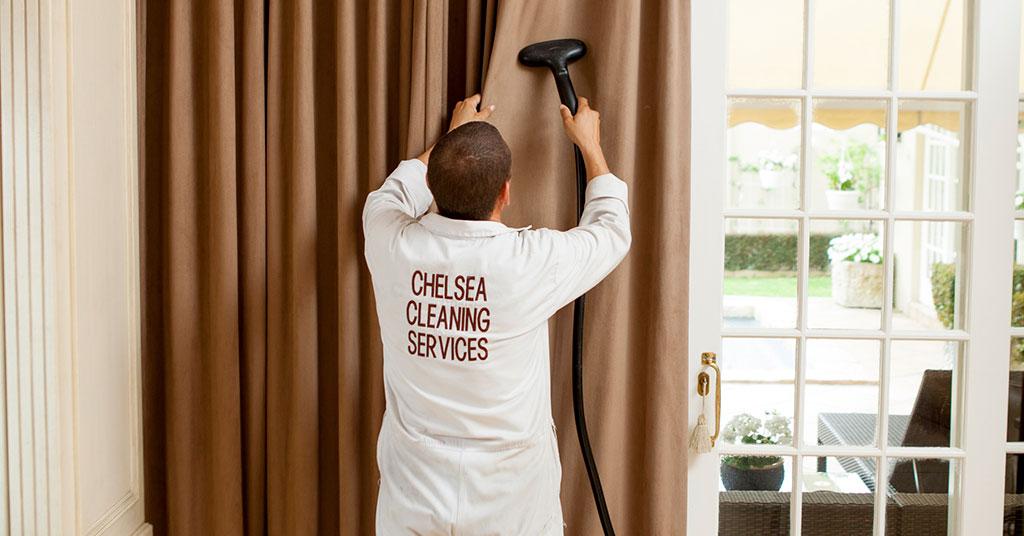
For intensive cleaning, consider steam cleaning technique. This method uses warm steam to infiltrate textiles, effectively get rid of mites, mold, and mildew. The heat helps remove soil, while the steam functions to destroy fungi and bacteria. It's perfect for window treatments that have not been cleaned in a long period or when handling persistent marks. Ensure that your materials is appropriate for this method to ensure against destruction. Following this intensive washing with a complete cleaning will help preserve a hygienic environment, maintaining allergens at bay.
If cleaning your window treatments is an alternative, examine the instructions for particular details. A majority of washable drapes can tolerate a soft setting in the washer with gentle detergent. It's vital to get rid of grime and marks before washing to avoid them from embedding. After laundering, let curtains to completely dry fully prior to rehanging to prevent mildew growth. For those materials that demand additional consideration, contact a qualified maintenance service that offers the most effective drape maintenance techniques to make certain your curtains remain in superb form for many years to come.
Dealing with Stains, Mildew, and Curtains
Stains and mold on drapes are an annoyance and a source of irritants in your home. As time passes, they can collect, resulting in an uninviting environment and reduced indoor air quality. To successfully tackle website , it's crucial to determine the specific fabric in question, as various materials may require specific cleaning techniques. Regular checking for spots and marks can help catch problems before they become permanent.
Mildew thrives in moist conditions, making it important to ensure drapes kept dry and properly ventilated. If you spot any signs of mildew, take action quickly to treat the affected areas. A solution of gentle soap and water can be effective for removing stains, but be wary with more aggressive chemicals that could damage the fabric. For tough stains, think about using steam extraction cleaning, which not only eliminates dirt but also eradicates any existing fungi and dust mites.
Avoidance is important to preventing future stains and mildew growth. Regular curtain maintenance can help eliminate dust, dead skin cells, and pet dander that affect indoor air quality issues. By establishing a regular cleaning schedule, you'll not only keep up the appearance of your curtains but further enhance the hygiene of your living space, which reduces potential risks for respiratory problems and asthma.
Improving Interior Atmospheric Quality
Consistent cleaning of curtains is essential for maintaining a clean interior setting. Dust, pet dander, and skin flakes can accumulate on drapes, forming a hotspot for pollutants. When left unattended, these contaminants not only cause stained drapes but can also lead to respiratory problems, especially for those with respiratory conditions or allergies. By maintaining your curtains spotless, you can markedly reduce the level of these pollutants in your home.
Furthermore, fungus and mold spores can thrive in moist and neglected window treatments, notably in areas with elevated moisture. These molds emit spores into the air, which can intensify asthma and contribute to general poor indoor air quality. Adopting a routine curtain cleaning method, such as steam extraction cleaning, can effectively eliminate these toxic particles. This method ensures that thorough maintenance occurs, removing fungus and any odors that may arise from accumulated dirt.
Adding drape cleaning into your scheduled home upkeep not only extends the lifespan of your window treatments but also boosts the air quality in your home. Clean window treatments can assist screen pollutants and boost the hygiene of your home, providing a safer environment for you and your family. Prioritizing a tidy setting will support better breathing health and general well-being.